Skin Issues

Scarring Treatments and Keloid Scar Care in Leeds

Skin Issues

Hypertrophic Scar & Keloid Treatment in Leeds

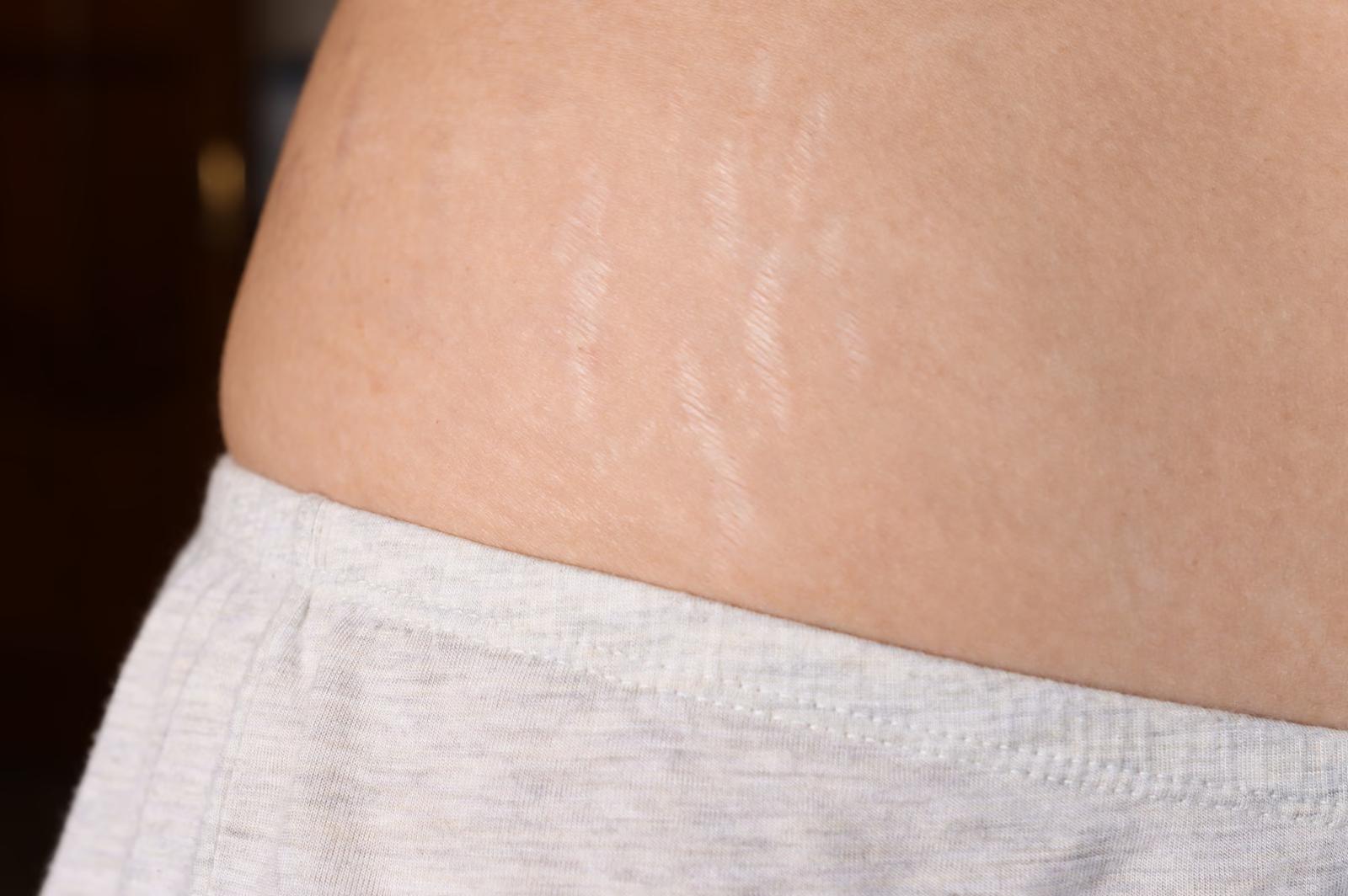
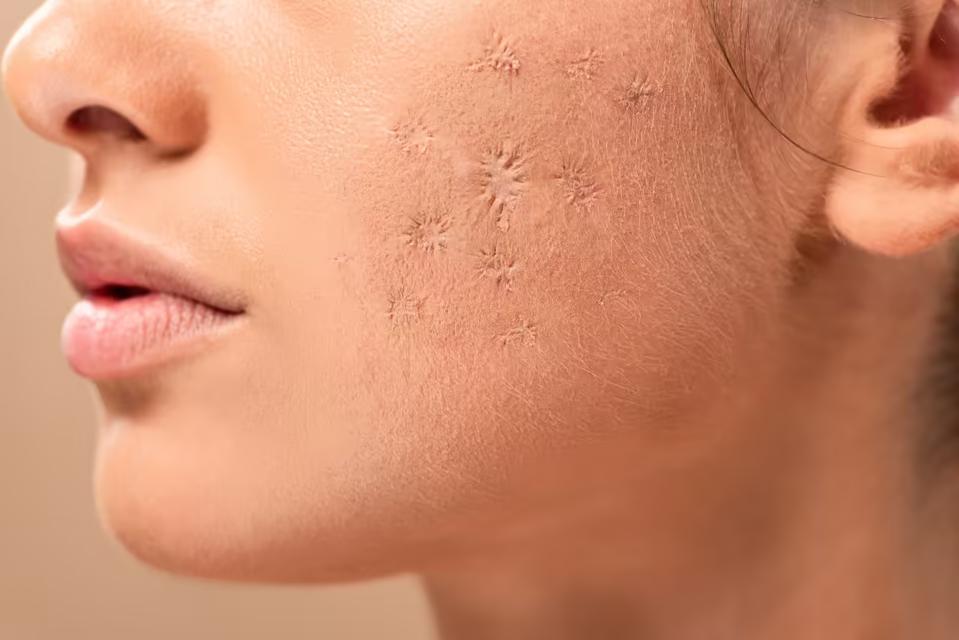
Skin injury always results in fibrotic, non-functional scars in adults. A hundred million individuals worldwide each year acquire scars on their skin due to surgery or trauma, with 15% of these eventually progressing into hypertrophic scars or keloids. Scars with a large surface area not only affect the aesthetics but are also accompanied by pain, itching, sclerosis and scar contracture. Scars can also cause significant physiological distress, including higher rates of anxiety, depression and low self-esteem in individuals.Sources: Updated scar management practical guidelines: non-invasive and invasive measures – PubMed (opens in a new tab); Biopsychosocial impact of keloids on quality of life – PubMed (opens in a new tab)

Scars can be categorised into four distinct types: mature scars, immature scars, hypertrophic scars and keloids. Mature scars exhibit a flat appearance and share the same resemblance as healthy tissue, while immature scars manifest during the tissue repair phase of wound healing with redness and swelling with a slight bulge at the injury site. With time, these immature scars can either progress into normal mature scars or develop into hypertrophic scars or keloids. Hypertrophic scars are categorised by a bulging appearance accompanied by persisting redness and swelling. When a scar extends beyond the original wound location and continues to enlarge, it is called a keloid.Source: International clinical recommendations on scar management – PubMed (opens in a new tab)

Keloid scars are widely considered one of the most challenging and severe forms of scarring. Their formation is due to a disorganised and fibroproliferative collagen response. There are a number of risk factors influencing natural healing. These include:Source: Keloids: a review of therapeutic management – PubMed (opens in a new tab)

Keloids are primarily diagnosed clinically based on their shape, colour and patients’ history of trauma or surgery. Rarely they can manifest in the absence of injury or trauma, termed ‘spontaneous keloids’, while hypertrophic scars only develop following injury. The location of the lesion is helpful in confirming a diagnosis; keloids typically manifest on the earlobes, face, chest and back, while hypertrophic scars are more commonly found on the extensor surfaces. Hypertrophic scars remain contained within the area of injury, while keloids grow beyond the borders of the initial injury. If the diagnosis is in question, a biopsy is diagnostic but is rarely needed.Sources: Management of Spontaneous and Pruritic Keloids: A Case Report – PMC (opens in a new tab); Up-to-date approach to manage keloids and hypertrophic scars: a useful guide – PubMed (opens in a new tab)

Treatment of hypertrophic scars and keloids can be challenging, often requiring a multimodal approach, as no single therapy is universally effective. Treatment in both cases aims to reduce the size, itching and pain; however, complete resolution is rarely achieved. Treatment options include:

What We Help With

Other Skin Conditions

Explore the other Skin Issues conditions we assess and treat.

Move Better. Live Brighter.

Expert care for today. A healthier tomorrow.

Book an appointment

Patient Reviews

Real People.Real Results.

Hear from patients who have trusted Clinic 360 with their care.

5.0from 6 Dermatology Reviews

  • Dermatology Review

    I would like to recommend Dr K Bhatti - Consultant Dermatologist, he left no stone unturned all my 5 months of upset and stress over my skin condition was worth every penny of the consultancy fee so if your worried about a skin complaint, i have a longish wait to go but all my extra worry has gone as Dr Bhatti listens, very helpful cannot thankyou enough

    Lisa kincaidClinic 360 patient

Book an Appointment

Expert Care Starts Here

Book online and take the next step towards your wellbeing.

  • QuickBooking
  • Secure& Private
  • ExpertSupport

Accreditations & memberships

  • British Association of Sport and Exercise Medicine
  • Faculty of Sport and Exercise Medicine UK
  • British Association of Dermatologists
  • Royal College of General Practitioners
  • General Medical Council
  • Health and Care Professions Council
  • Chartered Society of Physiotherapy
  • Care Quality Commission
  • Verified on Doctify