

0104
Hydrodistension Injection
Injection treatments delivered under ultrasound guidance.
Ultrasound-Guided Injections
Steroids, commonly referred to as corticosteroids, are widely used in medicine for their powerful anti-inflammatory effects. There is a type of medicine that works by reducing inflammation in your body and can be very helpful in reducing swelling and subsequent pain.
Steroid injections do not change the underlying condition or problem with your painful joint or damaged tissue, but they can be very beneficial at breaking pain cycles and managing degenerative conditions. They provide a very powerful anti-inflammatory effect that can allow better compliance with physiotherapy and other management strategies.
Steroid injections can be very helpful in managing a number of common musculoskeletal conditions. Including but not limited to:
Your physician or healthcare professional will discuss with you what to expect from a steroid injection and whether or not this type of treatment is appropriate for you. If you have any questions at any point, please raise any concerns with us. We will need to obtain your consent before having the procedure to make sure you are fully informed of the potential risks and benefits.
You will be asked, but it is also important you make our team aware if any of the following apply, as this may increase your risk of complications with an injection.
You don’t usually need to make any special preparations before having a steroid injection, but we will need access to the painful area, so comfortable and easy-to-remove clothing is helpful.
We also recommend that you do not drive immediately after the injection where possible, as this may affect your insurance policy if you were to have an accident. You will need to rest the joint for a few days after the procedure.
If you have local anaesthetic, the pain will likely improve within a few minutes. The effects of the local anaesthetic will wear off within an hour or so, and some patients may require oral painkillers for a short period of time while the steroid starts to work. The steroid typically takes 72 hours before it has a therapeutic effect but can, on occasion, take a couple of weeks before you notice a difference in your symptoms.
You will be asked to wait around in the clinic for a short period of time to make sure you feel ok. This is usually 10-15 minutes after this time; once you feel ready, you are able to go home.
Side effects are the unwanted but usually self-limiting/temporary effects of having a steroid injection. Potential side effects include
Complications are more serious side effects that need immediate medical attention during or after the procedure. Serious complications are very rare but include:
If you can’t have or don’t want a steroid injection, there are alternative injectable options which could be appropriate depending on your specific condition. (Please see our other injectable treatment pages). On top of this, there are also oral medications that can be taken to reduce symptoms, such as painkillers and anti-inflammatory medications.
Physiotherapy will have likely been discussed prior to injection options where appropriate but alone can have pain-relieving effects through increasing tissue capacity and tolerance, avoiding the need for pharmacological intervention.
Related Services
0104
Injection treatments delivered under ultrasound guidance.
0204
Injection treatments delivered under ultrasound guidance.
0304
Injection treatments delivered under ultrasound guidance.
0404
Injection treatments delivered under ultrasound guidance.


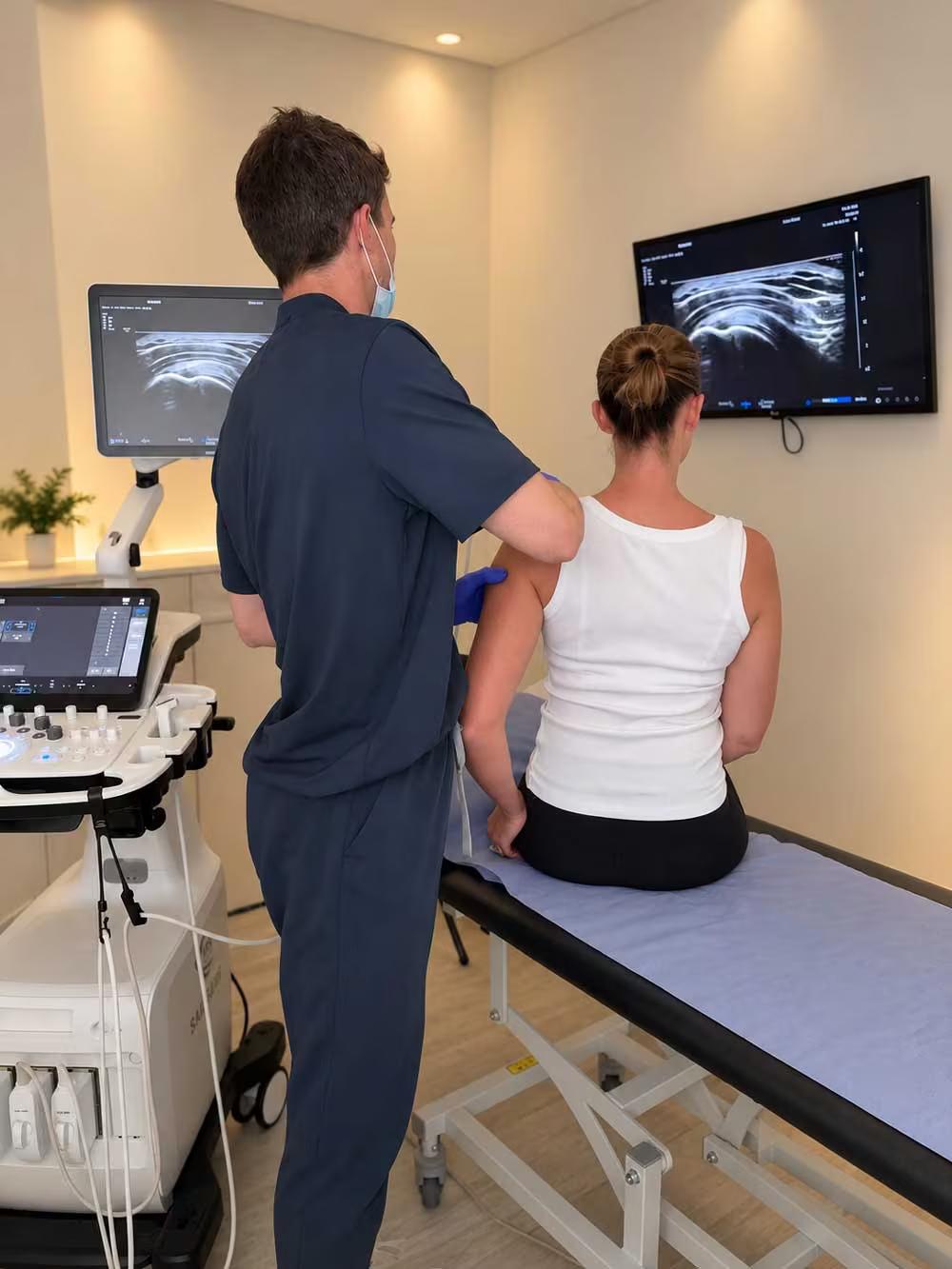
0104
From the Blog
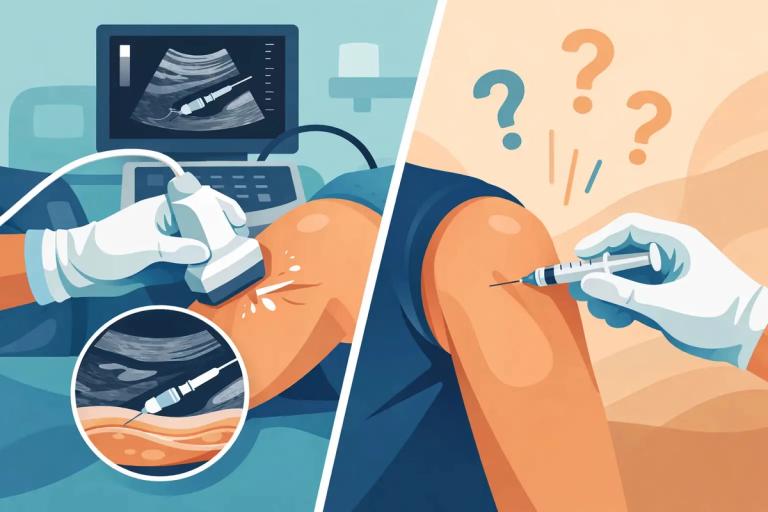
Compare ultrasound guided vs blind injections for joint and tendon pain. Understand accuracy, comfort, safety and when imaging guidance may help you decide.
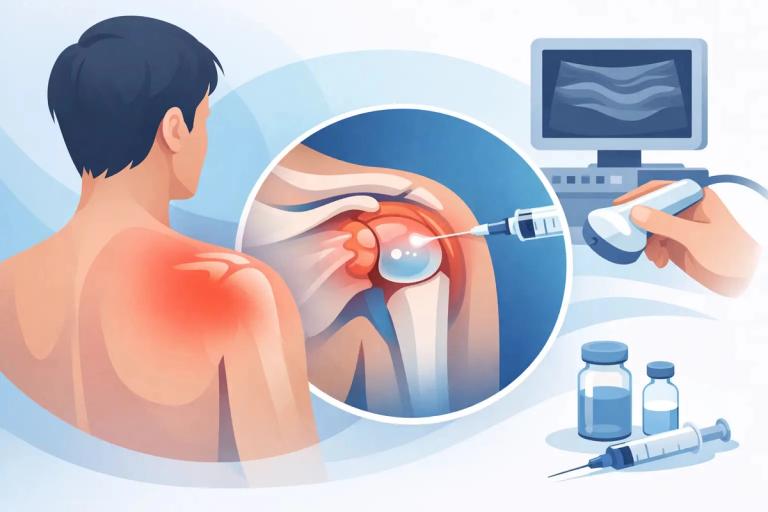
Hydrodistension for frozen shoulder can reduce pain and improve movement. Learn how it works, who it suits, and what to expect after treatment.
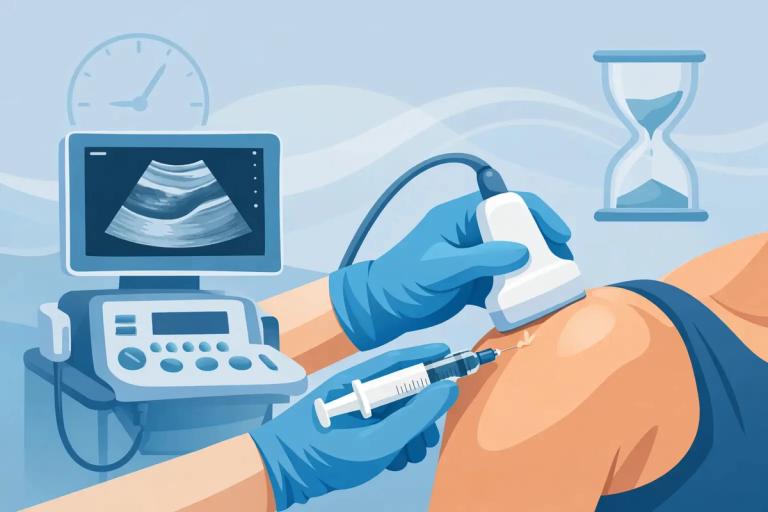
How long does an ultrasound guided injection take? Most take 15-30 minutes, though assessment, consent and aftercare can affect timing.
Book an Appointment
Book online and take the next step towards your wellbeing.