
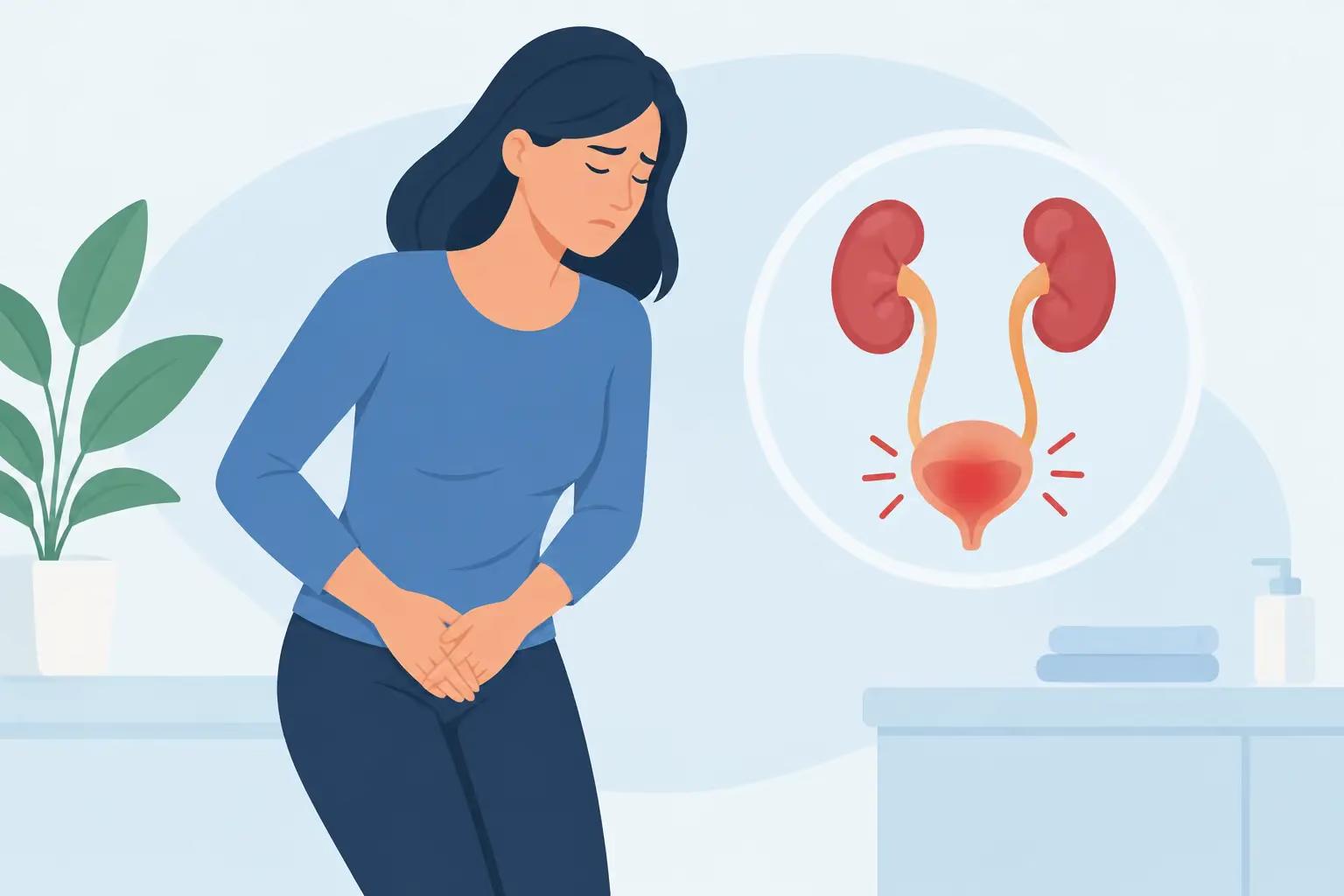
Burning when you pass urine, needing the toilet every few minutes and lower tummy discomfort can quickly interrupt work, sleep and daily life. Urinary tract infections are common, but they should not simply be ignored or self-treated repeatedly – particularly when symptoms are severe, keep returning or are accompanied by fever.
A prompt clinical assessment can confirm whether an infection is likely, rule out other causes of urinary symptoms and establish the right treatment plan. For many people, timely care brings rapid relief and reduces the risk of an infection spreading to the kidneys.
What are urinary tract infections?
A urinary tract infection, often called a UTI, occurs when bacteria enter part of the urinary system. This includes the urethra, bladder, ureters and kidneys. Most infections affect the bladder or urethra, and are often described as lower UTIs. Kidney infections are less common but more serious.
Women are more likely than men to experience UTIs because the urethra is shorter and closer to the anus, making it easier for bacteria to reach the urinary tract. However, men, children and older adults can all develop an infection. Pregnancy, diabetes, an enlarged prostate, kidney stones, use of a urinary catheter and a weakened immune system can also increase the likelihood of infection.
Not every episode of urinary discomfort is a UTI. Sexually transmitted infections, vaginal thrush, menopause-related changes, bladder pain syndrome, kidney stones and irritation from certain products can cause similar symptoms. This is why an accurate assessment matters, especially if symptoms are new, recurrent or not improving.
Common urinary tract infection symptoms
Symptoms vary according to the part of the urinary tract affected. A bladder infection commonly causes a burning or stinging sensation when passing urine, needing to pass urine more often than usual, sudden urgency and passing only small amounts. Urine may look cloudy, smell stronger than usual or contain blood.
Some people also notice pressure or pain low in the abdomen, tiredness or a general sense of being unwell. In older adults, symptoms can sometimes be less typical. New confusion should be assessed urgently, particularly where it occurs alongside fever, pain or other signs of illness, rather than automatically being assumed to be caused by a UTI.
Signs the infection may involve the kidneys
Seek same-day urgent medical advice if you have a high temperature, chills, nausea or vomiting, pain in your back or side beneath the ribs, or feel significantly unwell. These symptoms can indicate a kidney infection, which may require urgent antibiotic treatment and, occasionally, hospital care.
You should also seek prompt assessment if you are pregnant, male, immunosuppressed, have diabetes or have a child with possible urinary symptoms. In these situations, the threshold for testing and treatment is lower because complications may be more likely.
Call 999 or attend A&E if there are signs of severe illness, such as confusion, difficulty breathing, blue or mottled skin, extreme drowsiness or inability to keep fluids down. These can be signs of sepsis and need emergency care.
How a UTI is assessed
A clinician will ask about your symptoms, how long they have been present, previous infections, medication and relevant health conditions. They may request a urine sample, which can be checked for signs of infection. In some cases, the sample is sent to a laboratory to identify the bacteria and determine which antibiotics are likely to work.
Testing is particularly useful for recurrent infections, symptoms that do not settle, pregnancy, infections in men and suspected kidney infections. It can also help avoid unnecessary antibiotics when symptoms have another cause.
If there is visible blood in the urine, persistent urinary symptoms or repeated infections, further investigation may be appropriate. This can include blood tests, imaging or referral to a urology specialist, depending on your age, symptoms and medical history.
Treatment for urinary tract infections
Treatment depends on the severity of symptoms, your individual risk factors and whether the infection appears uncomplicated. Some mild lower UTIs may improve with fluids, rest and simple pain relief. A clinician may recommend a short course of antibiotics where symptoms are more troublesome, prolonged or likely to carry a higher risk of complications.
Antibiotics should be taken exactly as prescribed. Do not save leftover tablets for a future episode or take antibiotics prescribed for someone else. The wrong antibiotic may not treat the infection and contributes to antibiotic resistance.
While waiting for assessment or treatment to work, drinking enough water to stay hydrated can help. Paracetamol may ease pain or fever for most people, provided it is safe for you to take. Speak to a pharmacist or clinician before using other medicines, particularly if you have kidney disease, stomach ulcers, are taking blood-thinning medication or are pregnant.
Cranberry products are often discussed, but the evidence for treating an active UTI is limited. They should not replace medical advice or prescribed antibiotics. Products that make urine less acidic may temporarily reduce stinging for some people, but they do not clear an infection and are not suitable for everyone.
Most people begin to feel better within a few days of starting appropriate treatment. Contact the clinician who treated you if symptoms worsen, you develop fever or back pain, or there is no improvement within 48 hours of antibiotics.
Why infections can keep coming back
Recurrent UTIs are usually defined as two infections in six months or three in a year. They can be frustrating, disruptive and anxiety-provoking, but a repeated prescription without reviewing the wider picture is not always the best answer.
Sexual activity, menopause, incomplete bladder emptying, constipation, stones and changes in the urinary tract can all play a role. Some people have repeated symptoms without a proven bacterial infection, which needs a different approach. A urine culture during symptoms can be especially valuable in establishing what is happening.
For recurrent urinary tract infections, a clinician may review your risk factors, medication and previous test results. Management might include practical prevention measures, targeted treatment plans or further investigation. The right pathway depends on the person, rather than a one-size-fits-all approach.
Reducing the chance of another UTI
There is no guaranteed way to prevent every infection, but simple habits can reduce risk. Drink regularly so that you pass pale urine through the day, and avoid delaying going to the toilet for long periods. Wipe from front to back after using the toilet, and pass urine after sex if this is practical for you.
Avoid heavily scented intimate products, douches and bubble baths if they cause irritation. If you are prone to constipation, addressing it may also help with bladder emptying. For people experiencing vaginal dryness after menopause, a GP may discuss whether local oestrogen treatment is appropriate.
Drinking excessive amounts of water is not necessary and can be uncomfortable. The aim is steady hydration, adjusted for your activity level, weather and any advice you have been given for heart or kidney conditions.
Getting prompt, appropriate care
A UTI can be straightforward to treat, but the symptoms overlap with conditions that need a different response. A rapid-access GP assessment can provide clear advice, urine testing where needed and a treatment plan based on your symptoms and medical history. At Clinic 360, patients can self-refer for a prompt GP appointment without needing a GP referral first.
If urinary symptoms are affecting your ability to work, sleep or feel comfortable, do not wait for them to become unbearable. Early assessment is often the clearest route to relief – and to confidence that you are treating the right problem.